Misrepresented: The Importance of Looking at the Underrepresented
Misrepresented is a curatorial initiative developed by Proyectos Públicos, whose purpose is to champion the work of artists who, despite having established practices, have been sidelined from institutional recognition and the art collecting circuit. Through exhibitions organized around commissions and thematic frameworks linked to artistic genres, this project serves as a platform for support and visibility.
The inaugural edition, titled Landscapes, took place in February 2025 in Barcelona, one of our venues in the Juárez neighborhood, laying the groundwork for the establishment of an annual support model. The essay presented below, written by David Miranda—chief curator of the Museo Experimental El Eco and curator of the project—offers a reflection on the place of art and its ethical and political implications within the context of contemporary Mexico.
I have spent more than twenty years curating, producing, and teaching art, both in Mexico and abroad. During this time, I have had the opportunity and privilege to work with emerging, mid-career, and established artists, supporting them throughout their creative processes. I have curated various historical archive exhibitions and served as a curator for public and private collections. And, as if that weren’t enough, I combine these activities with my work as an artist. Sounds glamorous, doesn’t it? The reality is a bit more complex.
I will attempt here to outline some reflections on the acts of resistance involved in dedicating oneself to art and culture in a consumer society like ours today. I am convinced that the country’s artistic and cultural activity remains one of the most significant values of our time, as it represents a safe, meaningful, and beneficial investment in public development. I believe that all sectors of productive society should allocate a percentage of their profits to the arts. Why? Because a healthy society must devote part of its resources to preserving fundamental values such as identity, expression, and creativity. Since artistic practice naturally embodies these values, the arts should occupy a central place in the public development of societies.
In this regard, it is worth noting that artistic practice should not be viewed as mere entertainment, but rather as a means of challenging the utilitarian world, fostering the reflection necessary to discover other ways of seeing and living together, beyond mere consumption. Although we live in an era dominated by the reign of material aesthetics, the artistic profession is not considered a significant activity in the political and economic structure of the nation-state. In general, cultural policies in Mexico have operated under the logic of defining the cultural field as a set of organic agents of the official narrative. Some creators have accepted the production of images for ideological propaganda as part of their work, forgetting the possibility of exercising their practice as facilitators of creative processes or as creators of works that allow for the self-criticism necessary for the self-regulation of power.
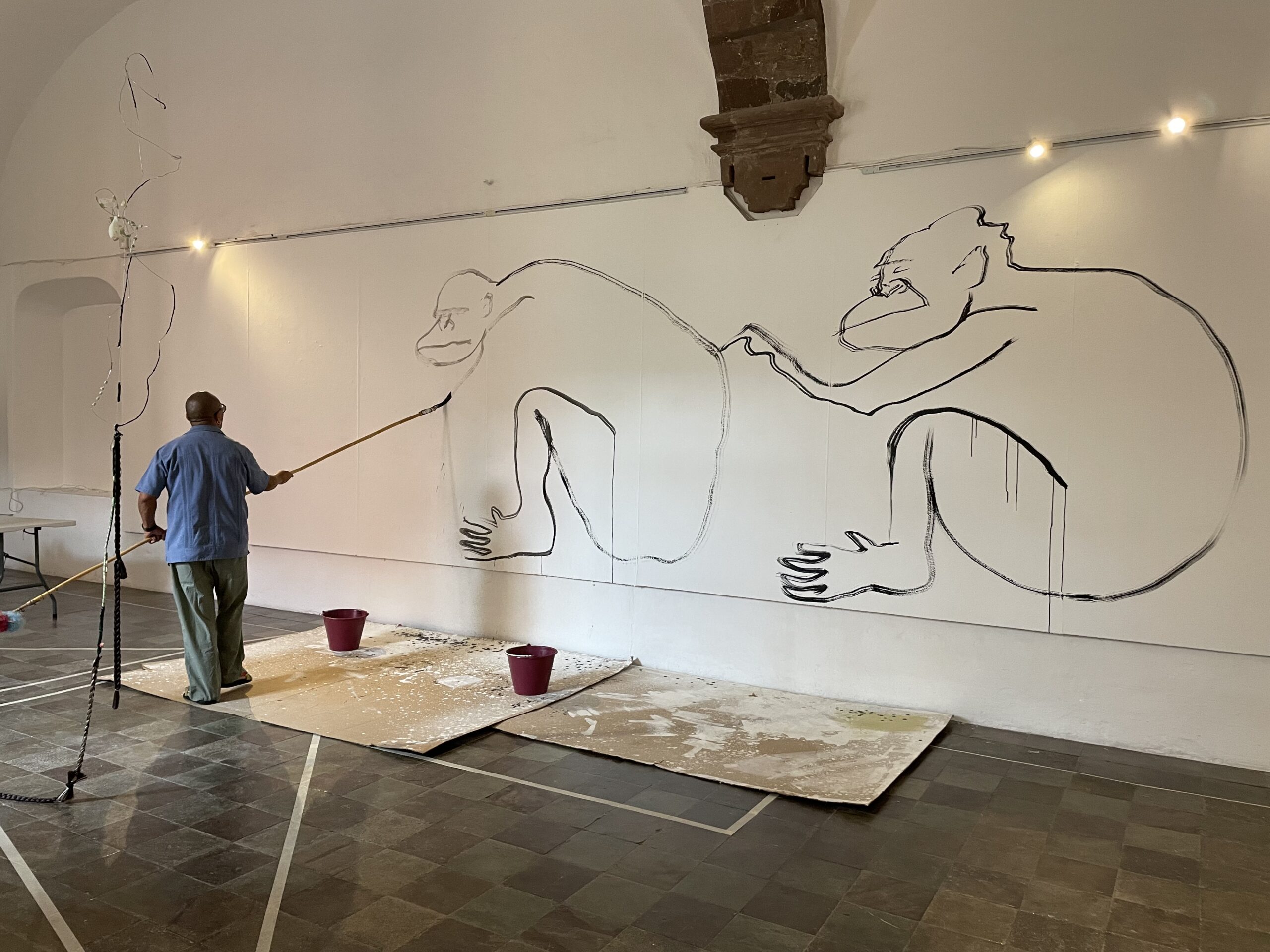
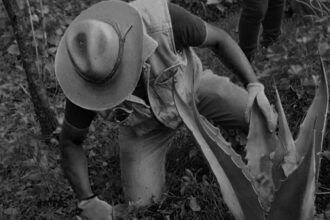
Abraham Cruzvillegas in San Miguel de Allende, 2022. Courtesy of the artist.
There are also artistic careers built on the standardization of production-oriented models. We can identify this phenomenon when we stop talking about the individual and start referring to artists in terms of “studios,” as if they were factories or visual communication offices.
I mentioned at the beginning some of the activities I have been involved in within the art world, because through them I have seen firsthand that, in general, an art professional in Mexico must juggle multiple responsibilities. Few are able to devote themselves exclusively to creating their own work. Usually, an artist in Mexico juggles production, teaching (both in schools and outside of them), and tasks related to the distribution and marketing of works by better-established artists in the market. Some work in cultural institutions, both public and private, as facilitators and event coordinators.
All of these individuals are both experts and practitioners. In this sense, Mexico boasts one of the most multifaceted cultural communities in the global art world: those who curate exhibitions or handle artworks may also be established artists themselves. Although the Mexican art scene is extremely dynamic, there are not enough venues or structures to allow most art school graduates to immediately pursue a career in creation.
The market also has its limitations, regardless of the power structures it represents. It’s not just about who buys and how, but how many people are able to do so and why. Many people would be surprised at how accessible it is to consume art in Mexico, both physically and through the media. The problem is that art continues to be associated with a privileged status reserved for a small group of “connoisseurs” rather than as a public phenomenon in which anyone can participate. Undoubtedly, it is also a problem of outreach.
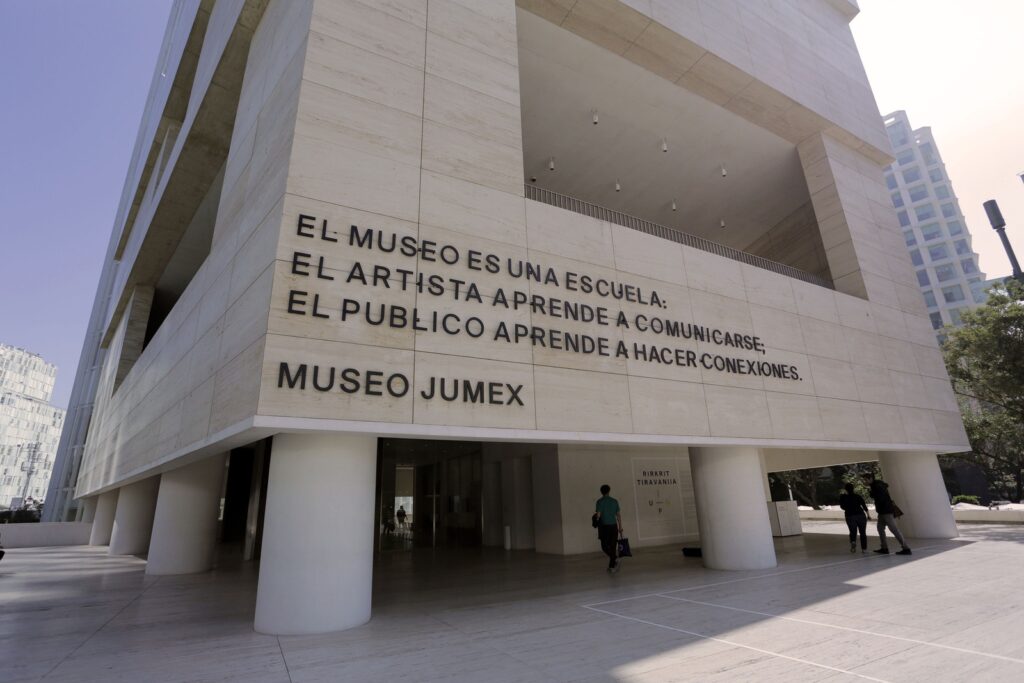
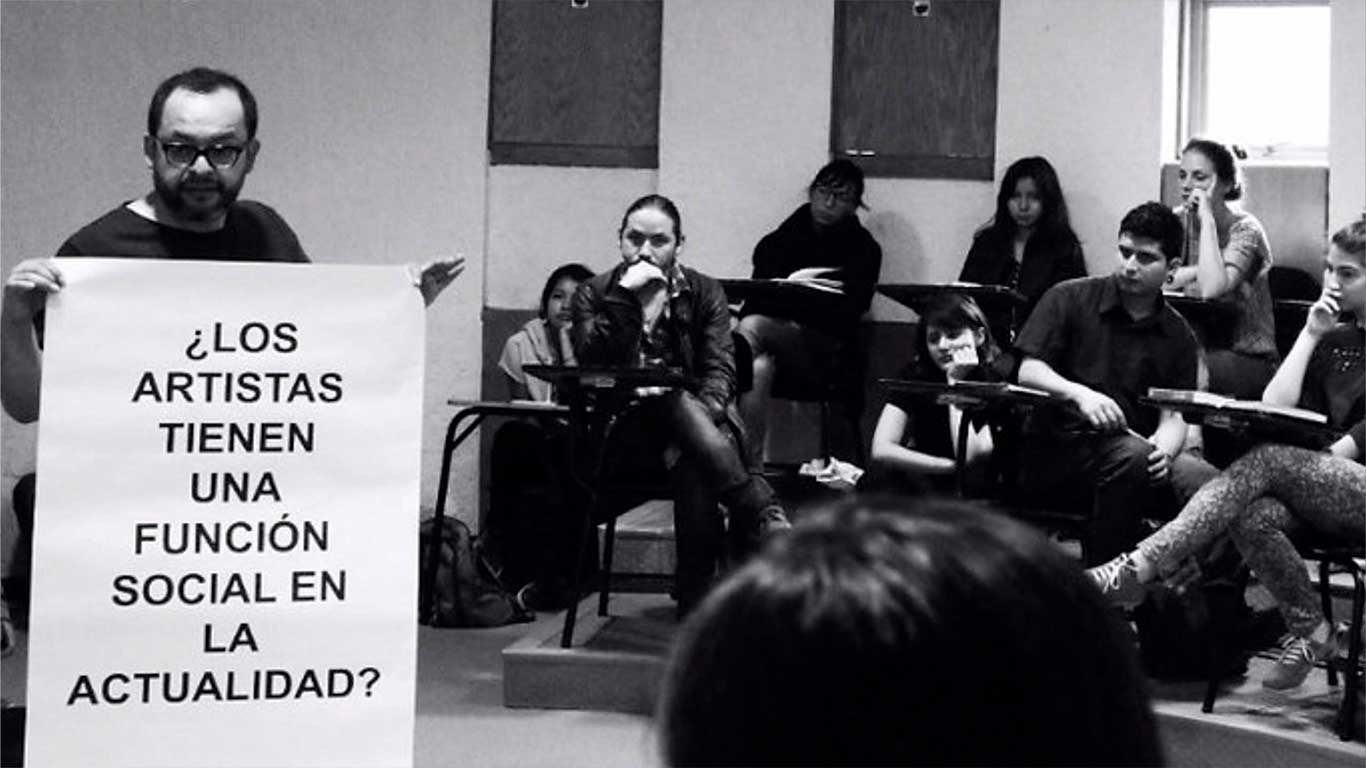
Luis Camnitzer, The Museum Is a School, 2015. Courtesy of the Jumex Museum.
The Spanish playwright Pedro Calderón de la Barca, in his play *Life Is a Dream*, said: “Art is a very high garden, but with open gates.” That is why some of us who work professionally in the field believe that artistic practice must have different forms of support that enhance its visibility. In addition to state-sponsored grants for creators, there should be more efficient fiscal models that encourage collecting at all levels. Anyone should be able to easily deduct a portion of their assets invested in art, since this symbolic production is an indisputable collective good.
The problems arising from commercial transactions can be resolved through a clear tax framework that recognizes the artistic profession on par with other professions in civil society (medicine, accounting, engineering, etc.). The problem also lies in the fact that
many people engaged in this activity are unwilling to be considered part of the conventional social structure, as the romantic aura that portrays the artist as an independent, free, and brilliant individual still prevails. However, for a society as materially interconnected as today’s, an individual with supposed independence and brilliance detached from social needs is a burden and an anachronism.
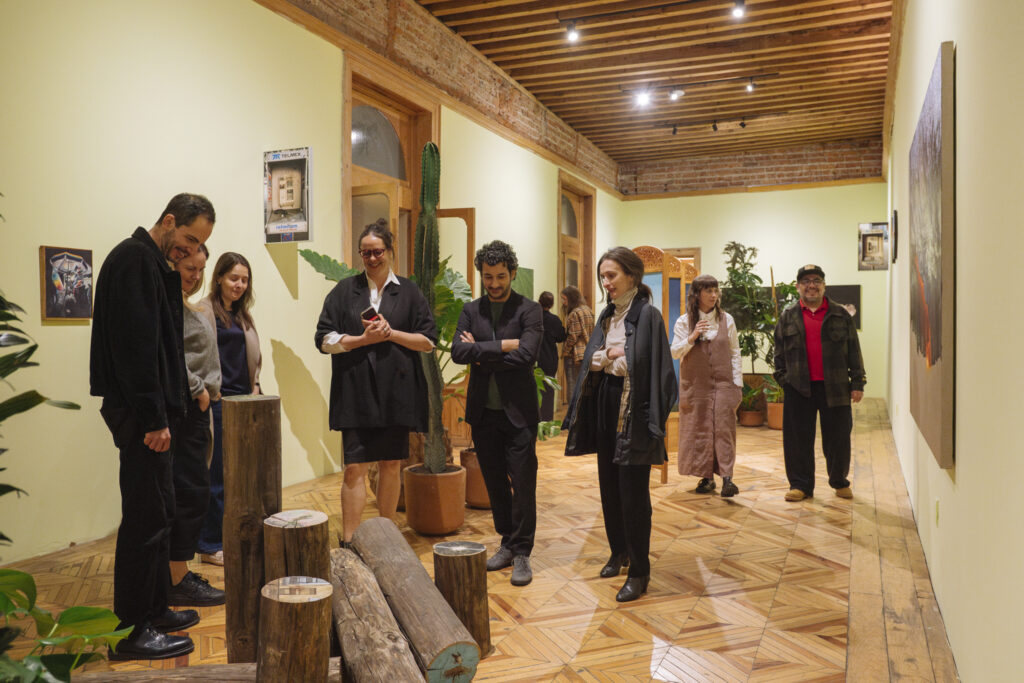
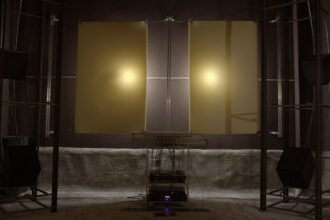
Misrepresented (Landscapes), Barcelona, Mexico City, 2025.
Organizing art exhibitions serves several purposes: one is to give visibility to the artistic expression of someone who has dedicated their time to creating a unique statement through their practice; another is to construct a cross-cutting narrative that offers a reflection from within an artistic discipline; and also, to recognize the potential of the realm of the imagination. Imagination is one of the most neglected resources in today’s consumer society, where it is associated with a kind of romantic nihilism. I believe that, today more than ever, we must reclaim imagination as a transformative force in society. Educating new generations in the imaginative faculties of the intellect is essential to preserving a sense of citizenship, rather than a purely consumerist mindset. Producing exhibitions is important, but even more important is seeing them.
In my hesitant defense of this text, I can say that all these reflections on artistic practice have arisen from creating and viewing exhibitions.
Over a year ago, I spoke with Pepe Islas, a Mexican entrepreneur and patron of the arts, and he told me about an encounter at a restaurant in Oaxaca, where he saw a painting that captivated him. He asked the owner of the establishment about the painting of the Oaxacan mangroves, intending to buy it, and to his surprise, the woman refused to sell it, as it had been made especially for her and her restaurant. Generously, she gave him the artist’s contact information.
Avelino Hernández was born in San Bartolo Coyotepec in 1979 into a family of black clay artisans. In the mornings, he works at a state hospital in the pediatric oncology department. In the afternoons, he spends time with his family, and at night he paints. He has
exhibited his work at the Museum of Popular Art in Oaxaca and at the Gallery of the School of Fine Arts at the UABJO. In 2001, he even served as president of the Culture Commission of the San Bartolo Coyotepec City Council.
Pepe showed me his work, and I found his technical and conceptual approach very interesting. We thought about all the people who, like Avelino, need support to bring their work to the public’s attention, and we decided to create a platform to support those kinds of careers.
Misrepresented began as an initiative aimed at providing recognition, exposure, and visibility to the work of artists who, throughout their careers, have not managed to achieve the visibility necessary to promote the collecting of their work within the art system. Taking the form of an exhibition featuring commissioned works based on a conceptual framework that alludes to an artistic genre, it will be developed by the participating artists to establish the project’s curatorial and museographic framework.
This project aims to establish an annual platform that showcases artists with a well-developed artistic language through commissions that serve as emblems of their creative practice and, in turn, present different approaches to an artistic genre in the contemporary context. Unlike other platforms that exhibit work based on the emerging status of artists without offering a critical review, this project is grounded in shared interests and concerns within the artistic field.
In this sense, it is a project that aims to strengthen public dialogue on the issues that artists consider relevant to the creation of their work, beyond mere material speculation.
In 2025, the edition titled Landscapes invited seven artists who have worked with this theme to collaborate on an exhibition that offered a broad interpretation of the concept. This allowed viewers to observe different notions of the
term and recognize its many possibilities through diverse practices and methodologies. The decision to launch the platform with the theme of landscape served as a metaphor for the many settings and conditions in which artistic practice unfolds, and for how, in its distribution and consumption, the origins of those who have dedicated their lives to it are sometimes obscured.
Misrepresented is an initiative by Pepe Islas, curated by me and produced by Proyectos Públicos. It seeks to showcase the work of artists who, for various reasons, have been marginalized by the art system, recognizing diverse languages, aesthetics, and modes of production that allow a broad audience to engage in a different kind of reflection compared to other contemporary art platforms.